

Personal loans and credit cards enable you to borrow money, but both types of credit work differently and are ideal for different situations.
How do personal loans work?
Personal loans are called unsecured loans that allow you to borrow a lump sum of money, which you repay over an extended period of time along with interest.
- Personal loans start from £1,000.
- The repayment length for these loans is between 6 months and 5 years.
- They charge fixed interest rates.
- Monthly instalments remain unchanged throughout the loan term.
Once you have paid off the full amount, the account will be closed. If you want to borrow money again, you will need to apply for a new personal loan.
In order to take out a personal loan, your credit score should be stellar. However, some lenders accept borrowers with substandard credit reports as well. Interest rates will be high for subprime borrowers than those with stellar credit ratings.
What expenses are personal loans ideal for?
A short term personal loan is a better choice when you need a large amount of money. They are ideal for the following expenses:
- Home improvement
Whether you need money for a loft conversion or to fix a roof, whether you need to remodel a kitchen or replace a boiler, personal loans can help you cover all these expenses. Credit cards cannot cover large expenses, and they cannot allow you to spread repayments.
- Weddings
Unsecured personal loans can be used for grand celebrations, including weddings. As the loan is paid back over an extended period, it reduces the risk of rolling over a debt.
- Consolidating debt
If you have multiple short-term high-interest debts, you can use personal loans to pay them off once and for all. This will help you avail yourself of lower interest rates
- To purchase a car
Personal loans are used to purchase a car too. However, you will need a 10% deposit as well. Your lender will have the upper hand on your car, though.
How do credit cards work?
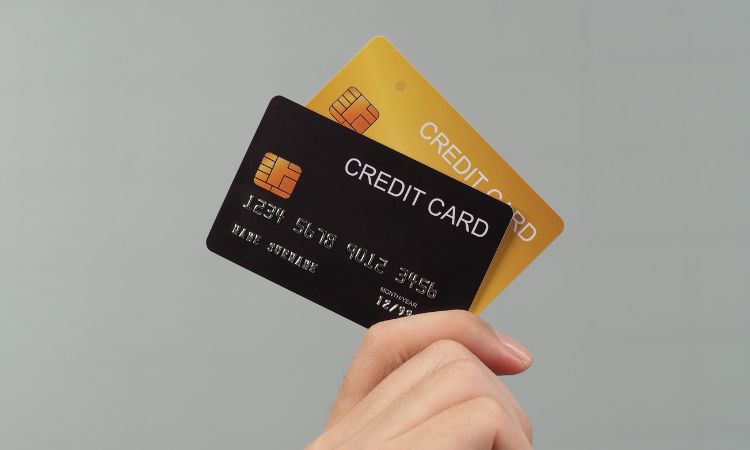
Credit cards come with a specific borrowing limit, which is decided after perusing your credit score and financial condition. The higher your credit score and income sources are, the higher the credit card limit will be.
You can use your credit card to borrow money as and when you need it up to the given limit. They come in handy when you want to purchase something and you do not have cash. When the bill is generated, you will be expected to discharge your credit card balance in full.
They offer some perks such as cashbacks and points provided you clear your balance in full after the bill is generated. Unlike personal loans, credit cards are a revolving credit.
What expenses are credit cards ideal for?
Credit cards are ideal for small purchases. They are generally suitable for making everyday purchases. For instance, whether you want to pay utility bills or a small plumbing bill, credit cards could be your best choice.
It is essential that you do not use more than 30% of your credit card limit at a time. Otherwise, your credit score will drop. Though they seem convenient to make small purchases, do not forget that you will have to clear the credit card debt at one shot.
Which option is better for building credit?
As long as you manage your credit card and personal loans responsibly, they both can help improve your credit score. However, this must not be the primary objective of taking out a loan. Use credit builder cards so you can avoid paying interest if you do not keep the balance outstanding.
Whether you use a loan or a credit card, you should never miss a payment. Falling behind on payments will wreak havoc on your credit score.
Are personal loans cheaper than credit cards?
Personal loans are cheaper than credit cards as they charge lower APR (Annual Percentage Rates). However, if you have a 0% credit card, they are cheaper than a personal loan, as you do not have to pay interest if you pay off the whole balance after the bill is generated.
Credit cards are useful for small purchases, and loans are ideal for large purchases. They are both ideal for different situations, so only based on the APR, you cannot say one is cheaper than the other.
What are the risks related to personal loans and credit cards?
Personal loans and credit cards can spiral up the debt if you fail to pay them back on time. Late payment fees are charged, and interest is accrued on the debt amount, which quickly escalates the outstanding amount. Not only will it take a toll on your finances, but it will also ruin your credit score. You will struggle to borrow money at affordable interest rates down the track.
The final word
Choose a personal loan if you need a large sum of money with predictable repayments, and choose a credit card if you need a small amount of money for everyday expenses. Neither of them is better, as both types of credit are aimed at different types of expenses.
FAQs
Can I use a credit card along with a personal loan?
Yes, you can use personal loans for large purchases and credit cards for small expenses together. However, bear in mind that your interest rates will be influenced by your debt-to-income ratio and credit utilization ratio.
What happens if you miss a payment on a 0% credit card?
0% credit cards will enable you to pay off the balance without interest, but if you fail to meet your obligation, this will result in a loss of the interest-free period and promotional rates.
Are personal loans easier to get approved than credit cards?
Whether you take out a personal loan or credit card, the approval depends on your credit rating and repayment capacity. Stronger credit profiles unlock better deals.
What is the APR for personal loans and credit cards?
The APR for personal loans starts from 9.9%, while the APR for credit cards start from 18.9%.